Water Quality Threats & Issues for Wellfleet Ponds
Shining a light on the issues
In a recent video produced by APCC*, freshwater ponds are aptly described as “The Jewels of Cape Cod”. Nowhere does that designation apply better than the kettle ponds of Wellfleet and Truro.
For anyone who’s soaked, hiked or otherwise spent time in these beautiful natural areas, the goal of doing all we can to maintain and sustain optimal water quality in them should be a real no-brainer. But doing so is not without its challenges, as summarized in the box at right.
Threats to water quality and the health of Wellfleet ponds
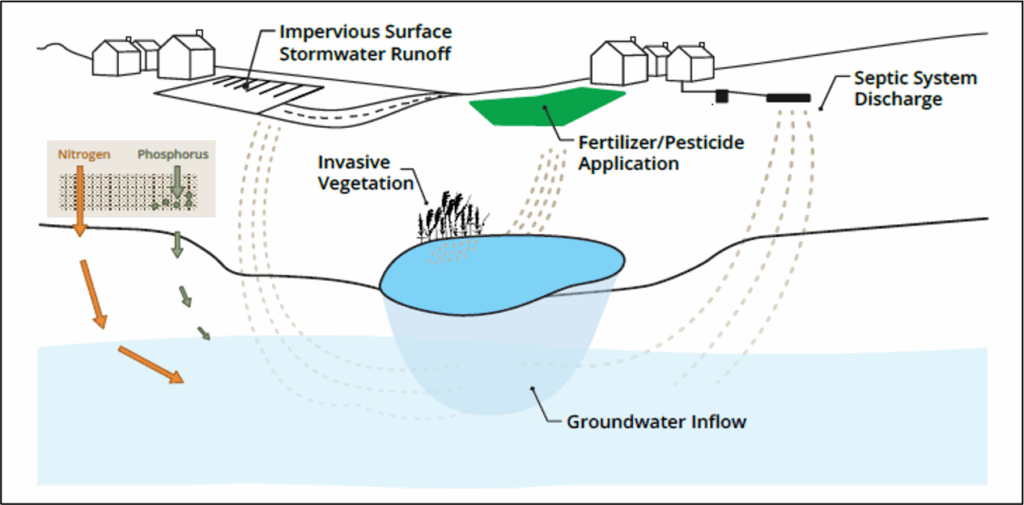
Excess nutrients – namely nitrogen and phosphorus, from septic systems, fertilizer use, pet wastes and other sources – can trigger Cyanobacteria and other algal bloom events
Erosion – of shorelines and trails from storms and human activities around the pond can reduce water clarity, harm submerged plants, and carry pollutants into the pond ecosystem
Invasive species – the spread of non-native species (such as Phragmites and water milfoil) can reduce the diversity of habitats and disrupt the natural balance of the pond community
Climate change – warming water temperatures and changes to pond thermal regimes can contribute to algal blooms, development of anoxic zones and other impacts to the biota
Atmospheric deposition of mercury & other pollutants – carried by air masses from far-away industries – can accumulate in pond food chains, resulting in fish consumption advisories
Other contaminants of emerging concern – including pharmaceuticals, PFAS, microplastics, and personal care products – can enter, persist and impact pond water quality and life forms
Thoughtful scrutiny of the above list leads to the realization that some of these threats to Wellfleet pond health – namely global warming and atmospheric fallout of pollutants – are not ones we can directly impact by our actions and behaviors at the local level.
But others – as the graphic here illustrates – are certainly ones that those of us who live near, recreate in, or otherwise value our ponds can and should do something about. Several suggestions on the how-to aspects of that are provided further down in this section.
We all live in a watershed
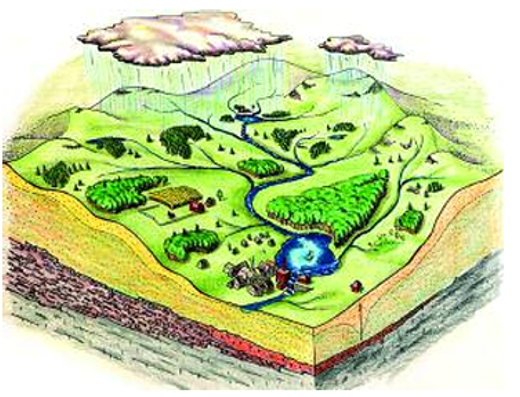
A key message for all of us who make our homes near aquatic habitats of any kind is that whatever we do on the land has an impact on what happens in the water. This message underlies the concept of a watershed – the idea that water flowing across or seeping into the land that drains into a stream, pond or bay can pick up the products of what’s going on from those lands, which will then be reflected in the quality of the waters it connects to.
Picture a drop of rainwater falling on the high point of land bordering a pond (as depicted in the graphic at right). As stormwater flow carries the water (by way of gravity) overland or it seeps in and infiltrates through to the groundwater lens that connects to the pond, the water will pick up nutrients, contaminants and other chemicals along the way and deposit some portion of those substances into the pond it drains into.
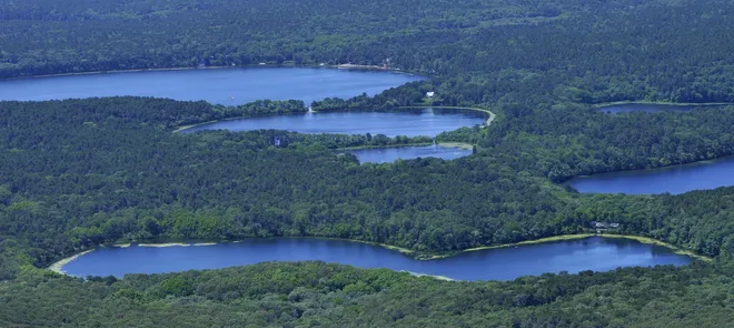
Bird’s eye view of highly-forested watersheds of Wellfleet’s northern ponds – photo by Steve Heaslip – Cape Cod Times
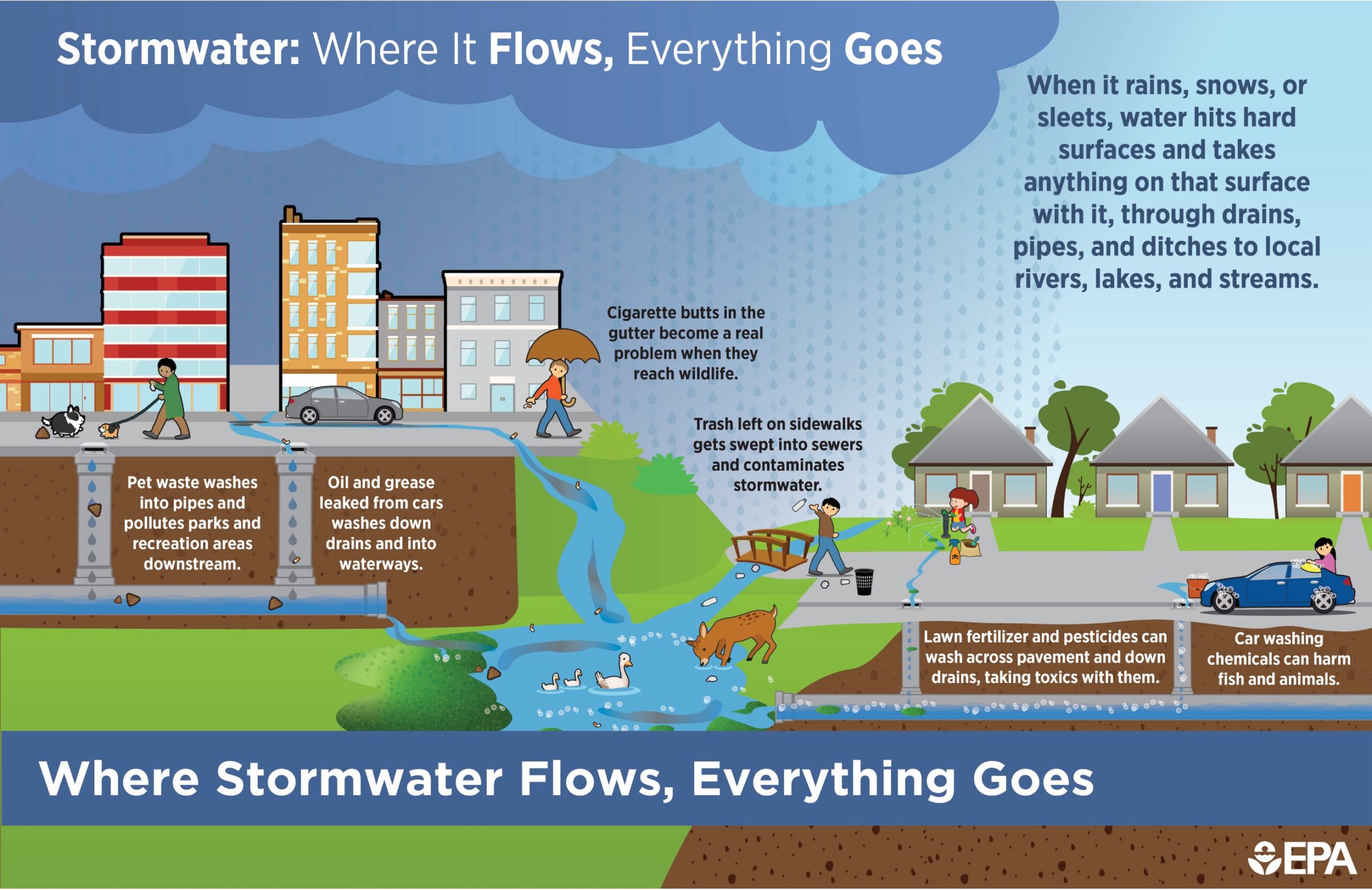
In natural, undisturbed watersheds, trees, other plants and soil microbes can filter and absorb many of the nutrients and other substances that are carried over or through the land before entering a pond. But where the load of pollutants is too heavy and/or stormwater flow is too strong or is prevented from seeping into the ground where roads, parking lots and other impervious surfaces have been constructed, these substances will find their way into the pond where they can impact water quality. Therefore, what we do, and what goes on in a pond’s watershed, along with what is deposited from the air above it, has everything to do with shaping the quality and health of the pond.
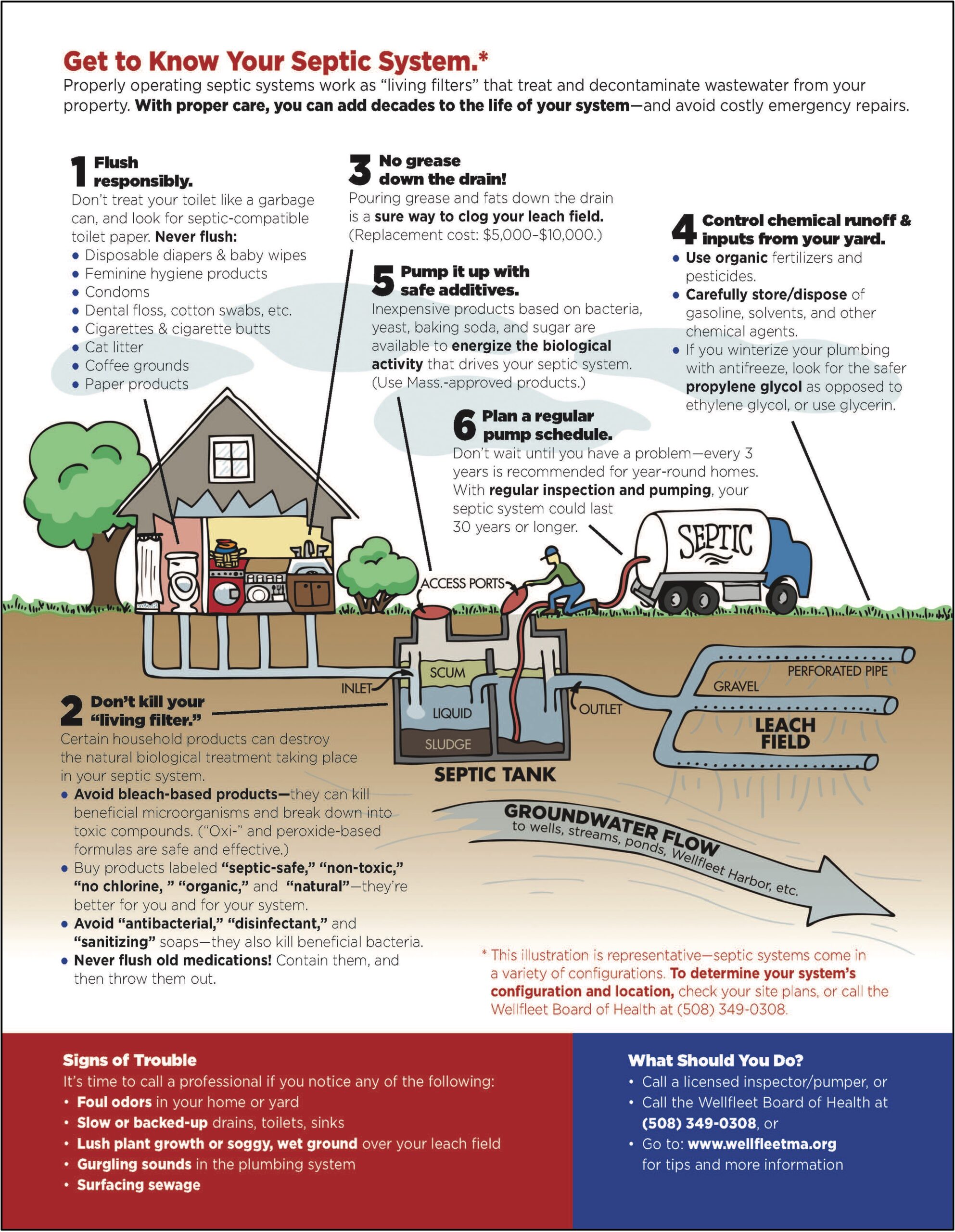
So, fertilizing our lawn or gardens – depending on how much and what strength we use (and especially if we do it just before a storm event) – some of the nitrogen and phosphorus in the fertilizer meant for the land can end up in the water, where it will have the same growth-spurring impacts on algae, cyanobacteria and other pond plants as intended for the land. Same goes for pollutants from home septic systems bordering a pond, particularly those that aren’t properly designed and maintained. Bottom line for protecting water quality in our Wellfleet ponds: all of us who live in any of the surrounding watersheds need to do all we can to minimize these impacts.
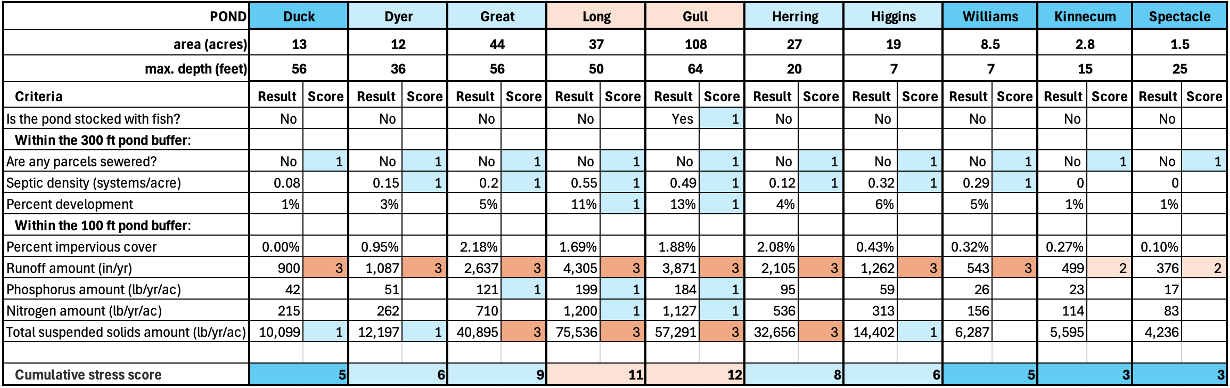
The chart to follow, compiled from a recent Cape Cod Commission initiative – aimed at assessing potential watershed stressors and impacts for ponds all across the Cape – highlights the outlook in this arena for ten of our most prominent Wellfleet ponds.
The chart above compiles data for Wellfleet ponds from the recent Cape Cod Commission’s Pond Physical Characteristics Analysis Summary. The latter utilizes the Commission’s Stormwater Impacts tool, which applies data from GIS mapping layers and other sources to estimate watershed stressor levels for the ponds.
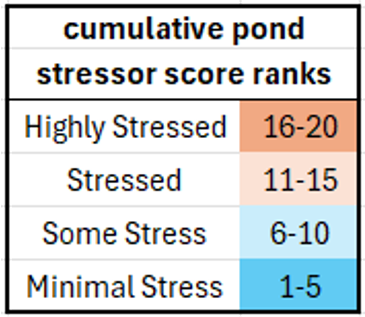
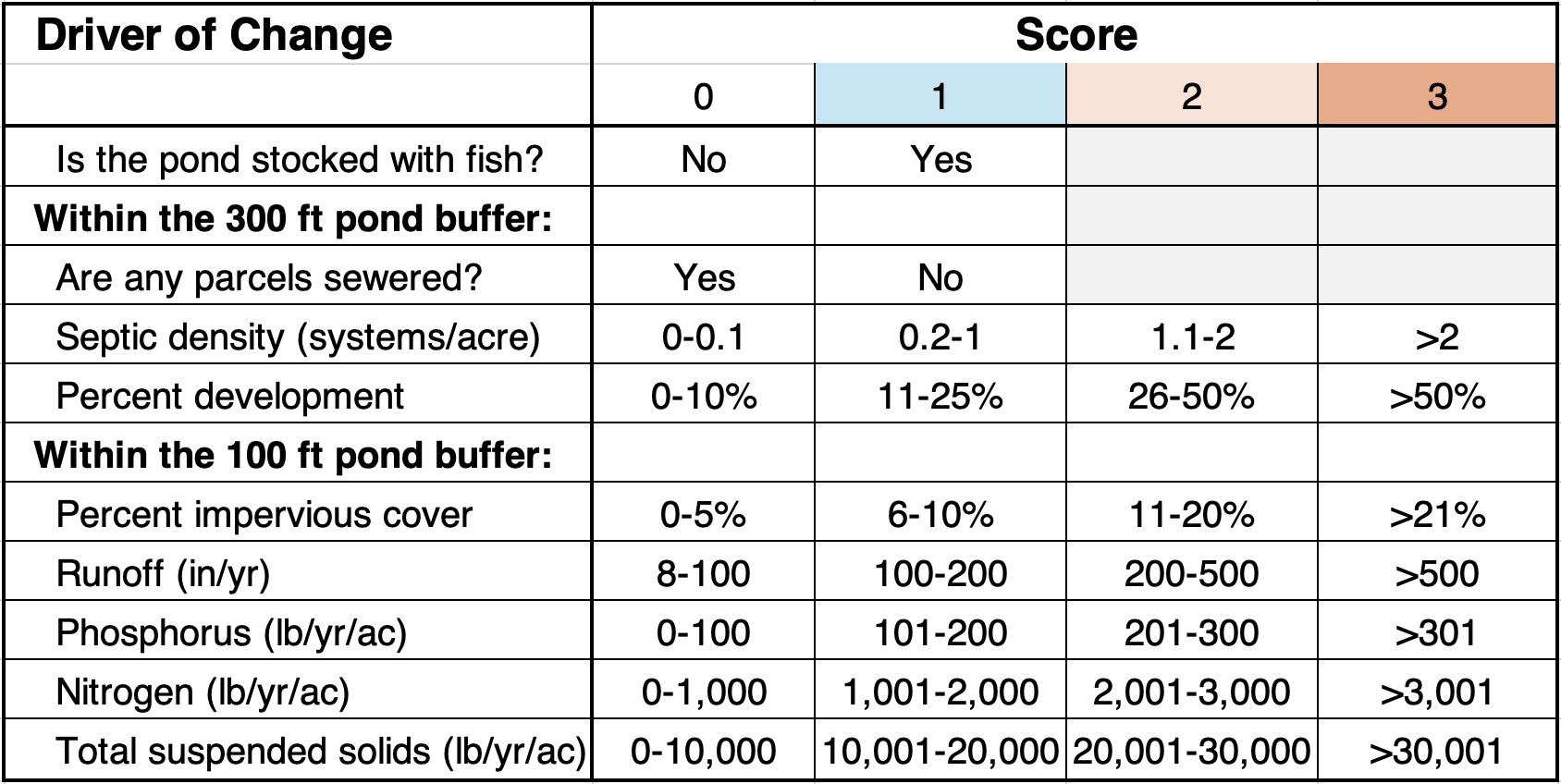
The ‘Driver of Change’ chart was developed as a rubric to assign scores for various pond stressor categories evaluated. The summed scores derived from these analyses were then used to designate a cumulative stressor score level for each of the ponds.
Applying this assessment tool, no Wellfleet ponds were seen to be highly stressed at this time, though Long and Gull ponds were assessed at the ‘stressed’ level.
Please note: The above scores did not factor in pond depth, area and volume in relation to watershed area or the existence of any stormwater management practices that could impact inputs to any of the ponds. Nor do they reflect current water quality data pertaining to the ponds. What they do represent is what the Driver of Change criteria on existing watershed conditions for each pond predicts about stormwater stressor impacts to water quality in the pond. Follow the link above for more about the methods used in this study and qualifications for its interpretation.
Take care to ensure our activities on the land bring minimal harm to our ponds
The list of things we can do and ways we can help our ponds remain as pristine as they can be can grow long and tiresome, but if we think of it as a home to living things and consider how we would want our home to be treated and treasured, the path is really quite simple.
The box at left captures the essentials, but there’s a litany of online resources available that can guide you in learning more and diving deeper. A few of the especially helpful and locally-focused ones are highlighted below.
Best practices for maintaining Wellfleet pond water quality
eliminate or minimize the use of fertilizers, herbicides and pesticides on your land
maintain your septic system or upgrade to a more effective nutrient-reducing one
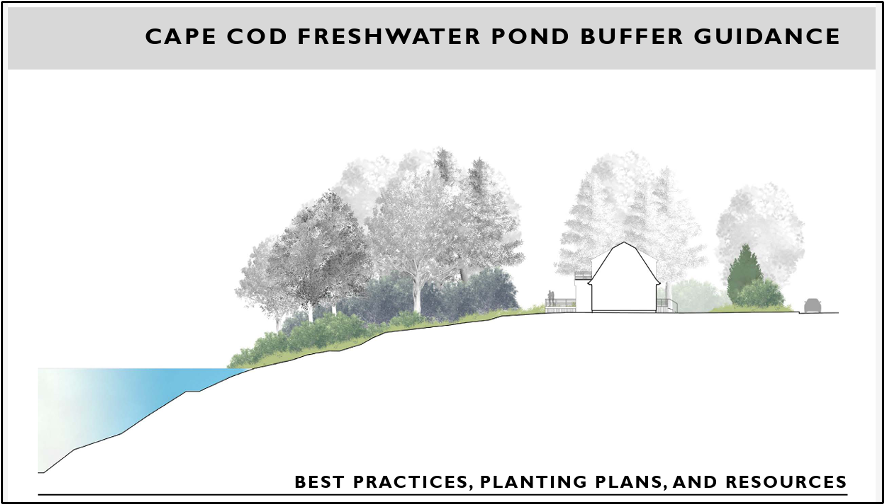
if your property borders a pond, reduce runoff & erosion impacts by maintaining a healthy buffer of “pond-friendly” native plants between your home and the pond
reduce trampling of vegetation along pond shorelines and trails, and keep boats, kayaks and other recreational gear from covering and crushing shoreline plants
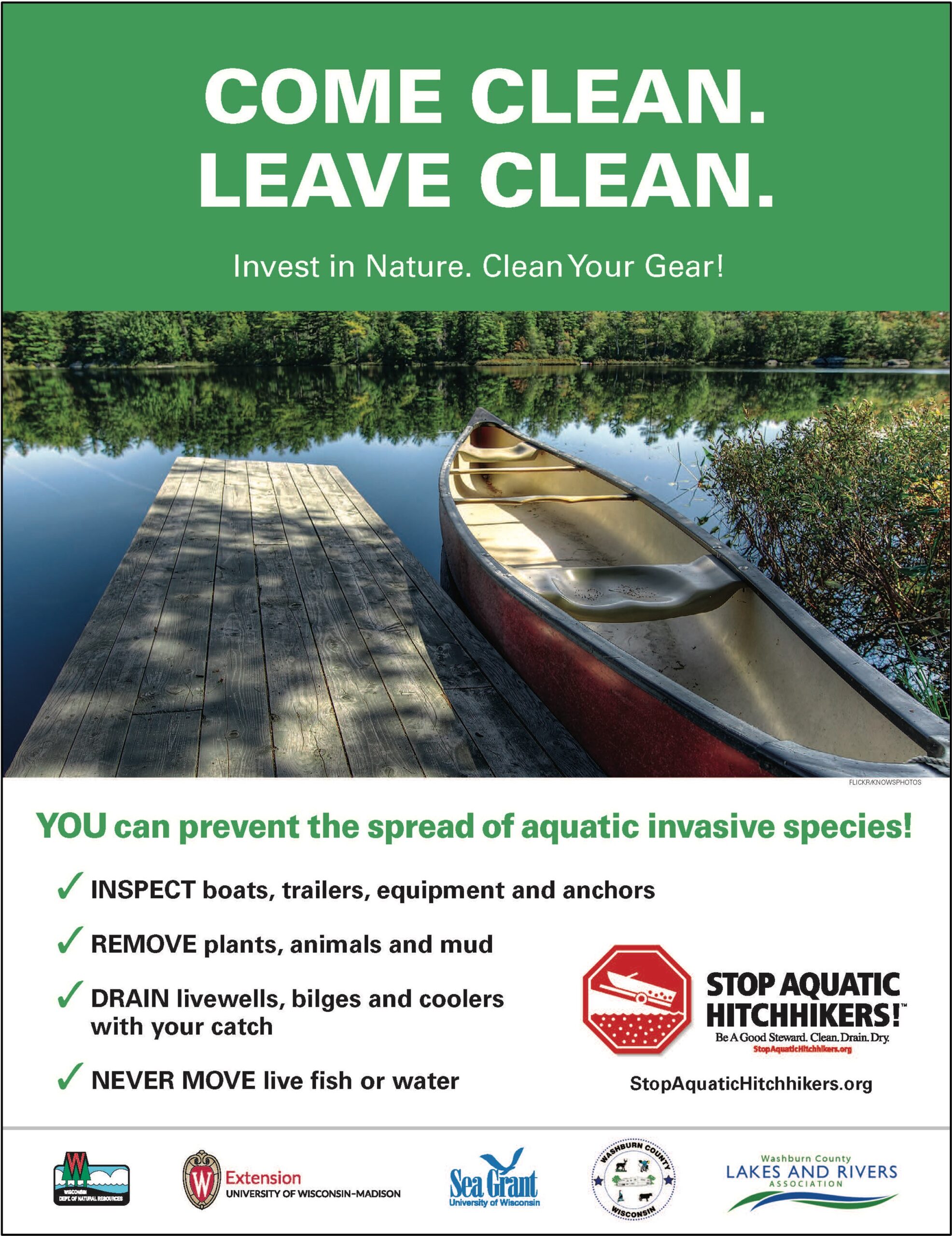
make sure any flotation devices you bring to a pond are washed clean before use to ensure you’re not introducing any invasive species into the pond
clean up all pet wastes to keep them from washing into and polluting the pond
don’t dump any household chemicals, unused medications or other hazardous materials down the drain; dispose of them via environmentally-safe avenues
when you visit or swim in a pond, take only photos and leave only traces
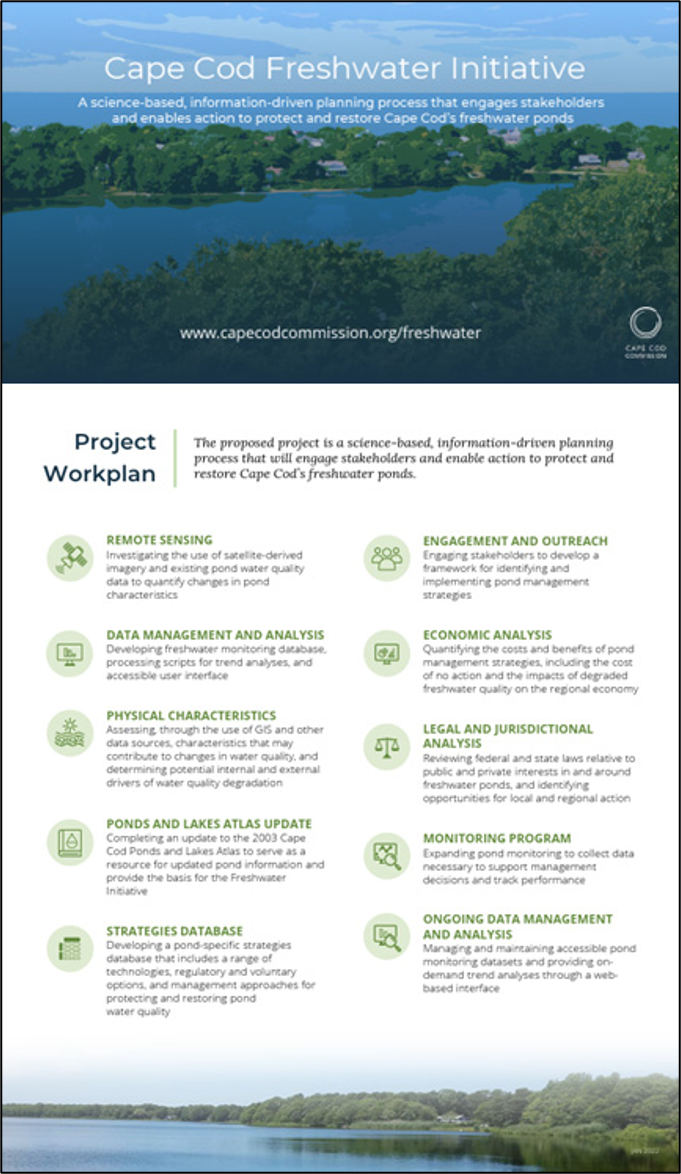
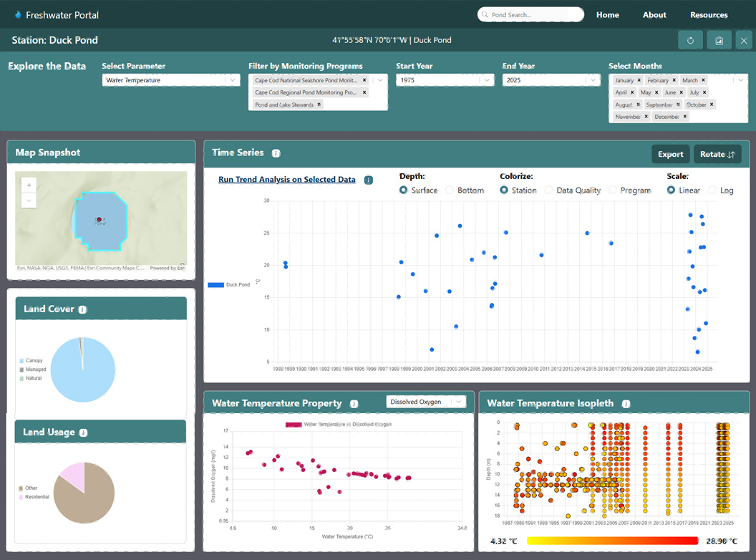
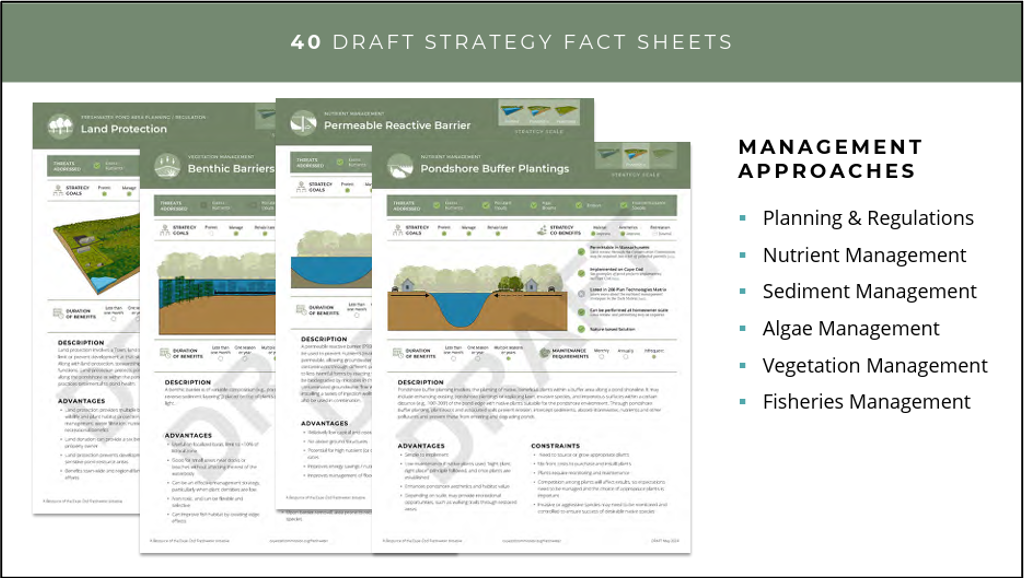
POND-helpful resources from the Cape Cod Commission
The Cape Cod Commission has developed a wealth of user-friendly resources to assist landowners, decision-makers and pond organizations in how to better manage and care for the freshwater ponds of Cape Cod. This includes:
The Cape Cod Freshwater Strategy Ponds and Lakes – highlighting just about every-thing else you would wish to know about caring for, protecting and restoring Cape Cod ponds (https://www.capecodcommission.org)